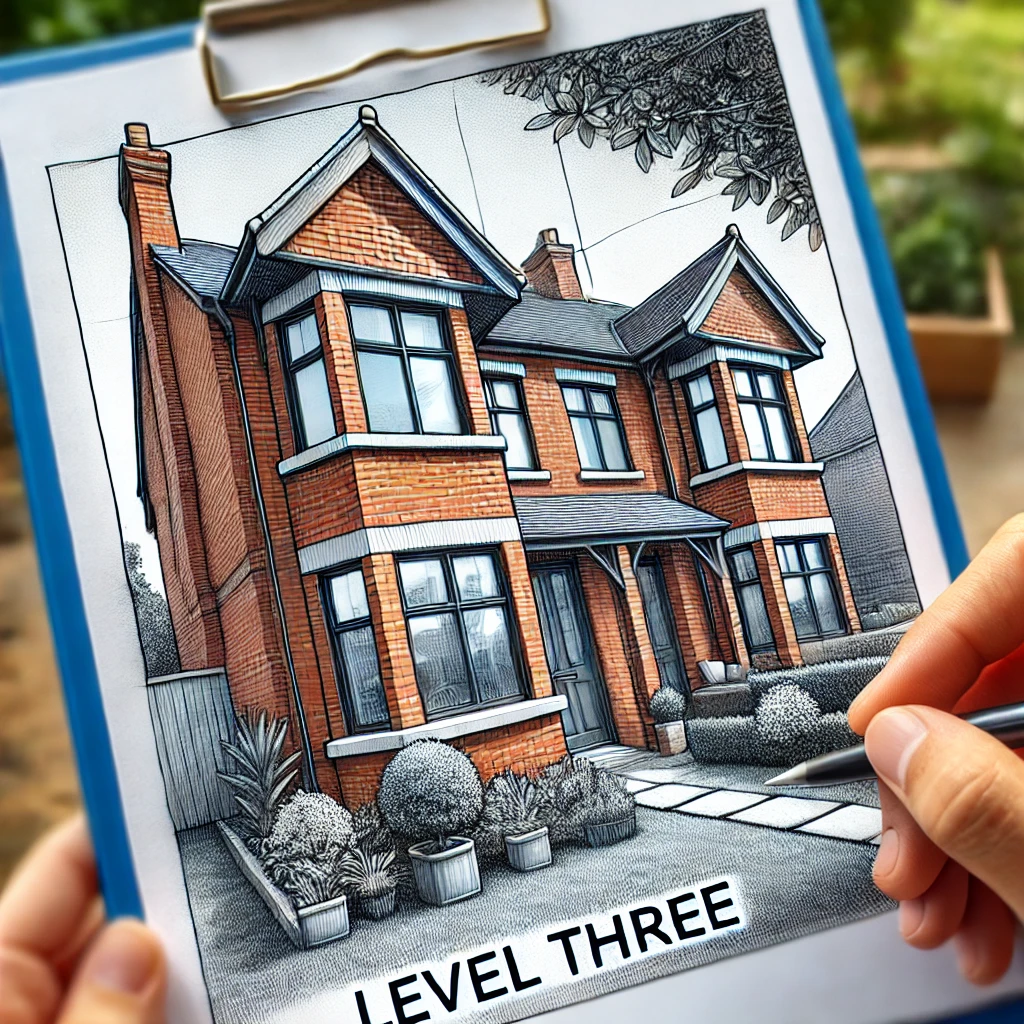
When purchasing a property, especially an older or more complex one, understanding its condition is crucial to making an informed decision. A Home Survey Level Three, also known as a Building Survey, is the most comprehensive type of property survey available. This in-depth inspection provides an extensive review of the property’s structure and condition, helping you identify any potential issues that could impact your investment.
In this blog post, we’ll break down the scope of a Home Survey Level Three, what it includes, who it’s for, and why it’s the best option for homebuyers looking for complete peace of mind.
What Is a Home Survey Level Three?
A Home Survey Level Three (formerly called a Full Structural Survey) is the most detailed property survey offered by RICS (Royal Institution of Chartered Surveyors). It is designed to assess the condition of older, larger, or uniquely constructed properties. It examines all accessible areas of the building, including its structural integrity, construction materials, and potential defects.
Unlike a Homebuyers Survey (Level Two), which provides an overview of the property’s condition, a Level Three Survey digs deeper, giving you a comprehensive understanding of the property’s current state, as well as advice on required repairs, maintenance, and ongoing care.
Who Needs a Home Survey Level Three?
A Home Survey Level Three is recommended for:
- Older properties: Homes built before 1900, or those with outdated construction methods, often have hidden issues that require detailed inspection.
- Properties in poor condition: If the property appears to need significant repair or restoration, a Level Three Survey will provide the most detailed analysis of its structural condition.
- Homes that have undergone major alterations: Properties with extensions, loft conversions, or significant changes need a thorough inspection to ensure that all work was carried out correctly.
- Larger homes or unique builds: Non-standard construction, listed buildings, or properties built with unconventional materials will benefit from a detailed survey.
Scope of Inspection in a Home Survey Level Three
The Home Survey Level Three is incredibly thorough, covering every accessible area of the property. Here’s an overview of what the survey includes:
1. Structural Integrity
The primary focus of a Level Three Survey is to assess the structural integrity of the property. The surveyor will closely examine the following elements:
- Foundations: Inspecting for subsidence, settlement, or heave that may compromise the building’s stability.
- Walls and brickwork: Checking for cracks, bulging, or signs of previous structural movement.
- Roof and chimney: A detailed inspection of the roof structure, slates, tiles, and chimney to assess their condition.
- Floors and ceilings: Ensuring there are no signs of warping, sagging, or structural weakness.
2. Exterior Condition
The surveyor will assess the condition of the building’s exterior, including:
- Roof coverings: Inspecting tiles, slates, or other roof materials for damage or wear.
- Gutters and drainage: Checking for leaks, blockages, and the condition of the drainage system.
- Windows and doors: Assessing the condition of frames, seals, and glazing for drafts, rot, or structural weaknesses.
- Masonry and brickwork: Ensuring there are no visible cracks, loose bricks, or signs of external damp.
3. Internal Condition
The interior inspection is just as thorough, focusing on:
- Internal walls: Checking for damp, cracks, or signs of poor maintenance.
- Floors: Inspecting for unevenness, structural issues, or rot, especially in timber floors.
- Ceilings: Looking for water stains, cracking, or sagging, which could indicate deeper problems.
- Roof voids and loft spaces: Examining the roof’s internal structure, insulation, and any signs of pests or damp.
4. Timber Decay and Infestation
A Level Three Survey includes an inspection for any signs of timber decay, such as:
- Dry rot: This serious issue can cause the wood to weaken and break apart, often invisible until extensive damage is done.
- Wet rot: Caused by long-term exposure to moisture, wet rot can also weaken timber structures, especially in floorboards, window frames, and roof joists.
- Woodworm and beetle infestations: The surveyor will look for holes, larvae, or other signs of infestations that can undermine the strength of timber structures.
5. Damp and Moisture Issues
Damp is one of the most common issues in older buildings, and the surveyor will use moisture meters to detect hidden problems, even if there are no visible signs. They will check for:
- Rising damp: This occurs when moisture travels up through the walls due to poor insulation or foundation issues.
- Penetrating damp: Often caused by faulty gutters, downpipes, or leaking roofs, this type of damp can cause mold, plaster damage, and timber decay.
- Condensation: The survey will identify areas of poor ventilation that could lead to condensation problems, often in kitchens, bathrooms, or basements.
6. Plumbing, Heating, and Electrical Systems
Although a Level Three Survey does not involve in-depth testing of utilities, it includes a thorough visual inspection of:
- Plumbing systems: Checking for leaks, faulty connections, and the overall condition of the pipes.
- Electrical systems: Assessing the age and condition of wiring, fuse boards, and switches, with recommendations for further testing if needed.
- Heating systems: Inspecting radiators, boilers, and piping for signs of wear or inefficiency.
7. Roof Spaces and Chimneys
Roof spaces are a key focus in older homes where defects often go unnoticed. The surveyor will:
- Inspect the attic space for signs of leaks, damp, or structural weaknesses.
- Check the condition of roof timbers for signs of rot or warping.
- Examine the chimney stack, including both the internal and external structure.
Additional Recommendations and Future Maintenance
In addition to the extensive inspection, a Home Survey Level Three provides practical advice on any necessary repairs or ongoing maintenance. The surveyor will:
- Highlight urgent repairs that need to be addressed immediately to prevent further damage.
- Provide a detailed list of maintenance tasks to keep the property in good condition over time.
- Suggest any further investigations, such as hiring specialists to check plumbing, electrical, or heating systems in greater detail.
How Does a Level Three Survey Compare to Other Surveys?
While a Homebuyers Survey (Level Two) is suitable for standard properties in good condition, it does not offer the depth of analysis provided by a Level Three Survey. Here’s how the three main types of surveys compare:
- Condition Report (Level One): This is a basic survey that provides a summary of the property’s condition, suitable for new or well-maintained homes.
- Homebuyers Survey (Level Two): A mid-level survey focusing on visible defects, suitable for properties in good condition.
- Home Survey Level Three (Building Survey): The most comprehensive option, offering an in-depth inspection and report, perfect for older, larger, or more complex properties.
Why Choose Lyman Marshall Chartered Surveyors for Your Home Survey Level Three?
At Lyman Marshall Chartered Surveyors, we specialize in providing detailed and reliable Home Survey Level Three reports. Our team of RICS-accredited surveyors has extensive experience with all types of properties, from historic homes to complex structures. We ensure that your survey is thorough, easy to understand, and tailored to your specific needs.
With our comprehensive Building Surveys, you can feel confident that you have all the information you need to make an informed decision about your property purchase.
Conclusion
A Home Survey Level Three offers the most detailed and in-depth assessment of a property’s condition, making it the ideal choice for buyers of older, larger, or unique properties. By choosing a Level Three Survey, you’ll gain valuable insights into the structural integrity and potential issues of your new home, helping you avoid unexpected costs and plan for any necessary repairs.
If you’re purchasing an older or more complex property, contact Lyman Marshall Chartered Surveyors today to book your Home Survey Level Three and ensure you’re making a sound investment.