
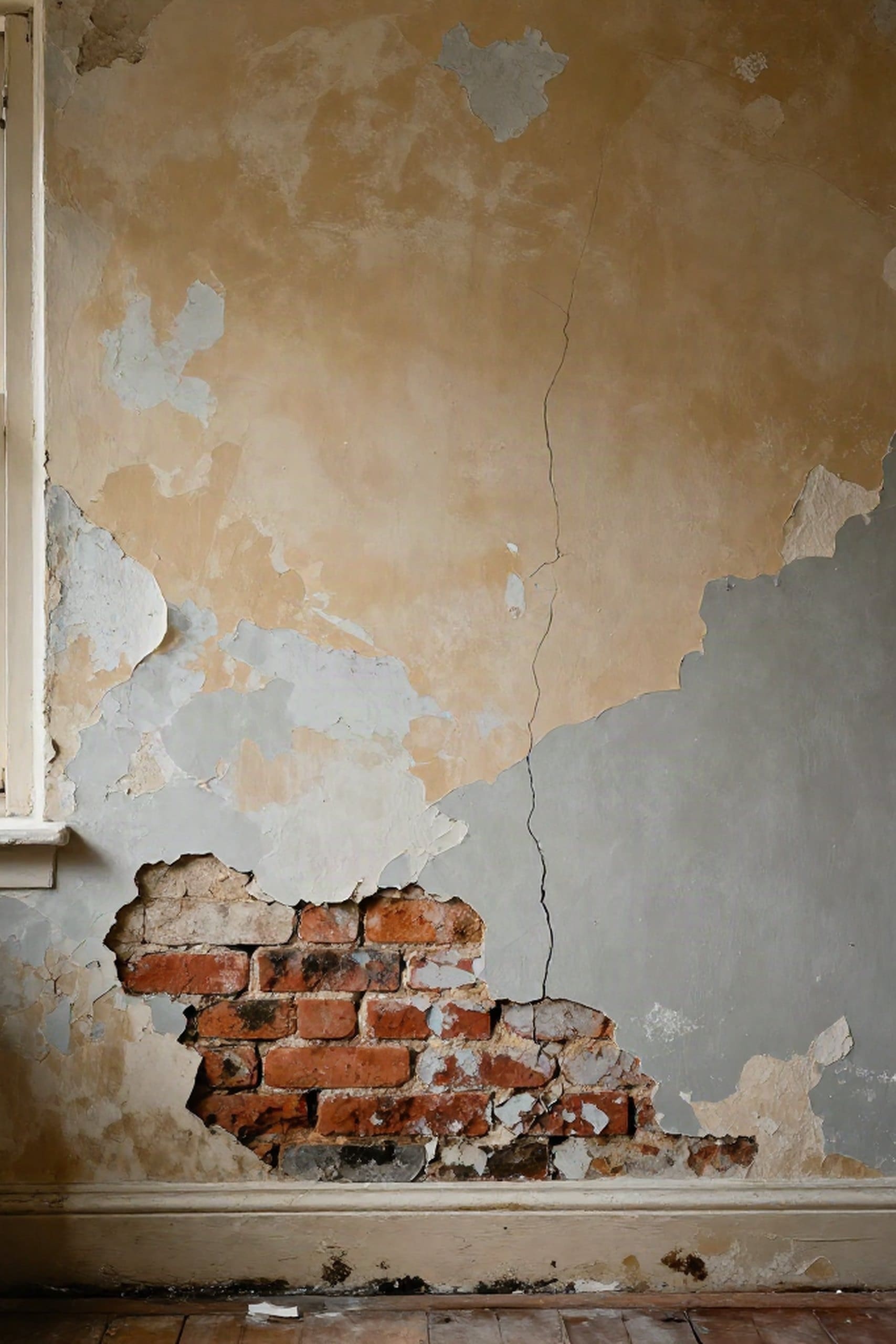
Subsidence is a significant concern for property owners, potentially leading to structural damage and devaluation of assets. In this comprehensive guide, we delve into the phenomenon of subsidence, exploring its causes, warning signs, and effective solutions to mitigate its impact on buildings.
Understanding Subsidence: Subsidence refers to the gradual sinking or settling of the ground beneath a building’s foundation, resulting in the downward movement of the structure. It is a natural geological process influenced by various factors, including soil composition, groundwater levels, and environmental conditions. While minor subsidence is common and often harmless, significant or rapid subsidence can pose serious risks to the structural integrity of buildings.
Causes of Subsidence: Several factors contribute to the occurrence of subsidence, with the most common being:
- Soil Shrinkage: Clay-rich soils are particularly prone to shrinkage during periods of drought or prolonged dry weather. As the soil loses moisture, it contracts, causing the ground to sink and potentially destabilizing building foundations.
- Tree Roots: The roots of large trees and shrubs can extract moisture from the soil surrounding foundations, leading to soil desiccation and subsidence. Trees located in close proximity to buildings pose a significant risk, especially if they are not adequately managed.
- Leaking Drains or Water Pipes: Water leakage from drains or underground pipes can saturate the soil beneath foundations, reducing its load-bearing capacity and triggering subsidence.
- Mining Activity: Subsidence can also result from historical mining or quarrying activities, with underground voids collapsing over time, causing the ground surface to sink.
Warning Signs of Subsidence: Identifying early warning signs of subsidence is crucial for timely intervention and mitigation. Common indicators include:
- Cracks in Walls: Diagonal or stepped cracks appearing internally or externally, particularly near windows and doors, are telltale signs of subsidence.
- Uneven Floors: Floors that slope or dip unevenly, especially in older properties, may indicate subsidence-related issues.
- Sticking Doors or Windows: Difficulty in opening or closing doors and windows due to misalignment can be attributed to subsidence-induced movement.
- Rippling Wallpaper: Rippling or bulging wallpaper, particularly around corners or joints, may result from underlying movement caused by subsidence.
Solutions for Subsidence: Addressing subsidence requires a systematic approach, often involving a combination of structural repairs and preventive measures. Some effective solutions include:
- Underpinning: Underpinning involves strengthening or stabilizing existing foundations to prevent further subsidence. Methods such as mass concrete underpinning or resin injection can be employed based on the severity of the subsidence.
- Tree Management: Managing vegetation, particularly trees, around buildings is crucial for preventing subsidence. Regular pruning or removal of trees with invasive root systems can mitigate the risk of soil desiccation.
- Drainage Maintenance: Ensuring proper drainage systems and repairing any leaks in drains or water pipes can help maintain soil moisture levels and prevent subsidence.
- Ground Improvement: Techniques such as soil grouting or soil stabilization can be used to enhance the load-bearing capacity of the soil and mitigate subsidence risks.
Conclusion: Subsidence poses a significant challenge for property owners, but early detection and appropriate intervention can mitigate its impact and preserve the structural integrity of buildings. By understanding the causes, recognizing warning signs, and implementing effective solutions, property owners can safeguard their assets against the detrimental effects of subsidence. At [Your Company Name], we specialize in identifying and addressing subsidence-related issues, offering tailored solutions to protect your property investment.


