
Structural damage can pose significant risks to a property, affecting its safety, stability, and value. For homeowners or prospective buyers, identifying these signs early is crucial. Older homes, while full of charm and character, are particularly vulnerable due to the wear and tear they endure over decades or even centuries. This guide will help you understand the common warning signs of structural damage in older homes and what you can do about them.
What Causes Structural Damage in Older Homes?
Several factors contribute to structural damage in older properties:
- Age of Materials: Over time, building materials such as timber, mortar, and brickwork naturally deteriorate.
- Poor Maintenance: Small issues like leaks or minor cracks can escalate into significant problems if left unaddressed.
- Environmental Factors: Soil movement, flooding, and extreme weather conditions can weaken a home’s foundation and structure.
- Construction Techniques: Older homes were often built using materials or methods that may not meet modern safety standards.
Understanding these causes is essential in safeguarding your property.
Common Signs of Structural Damage
- Cracks in Walls and Ceilings
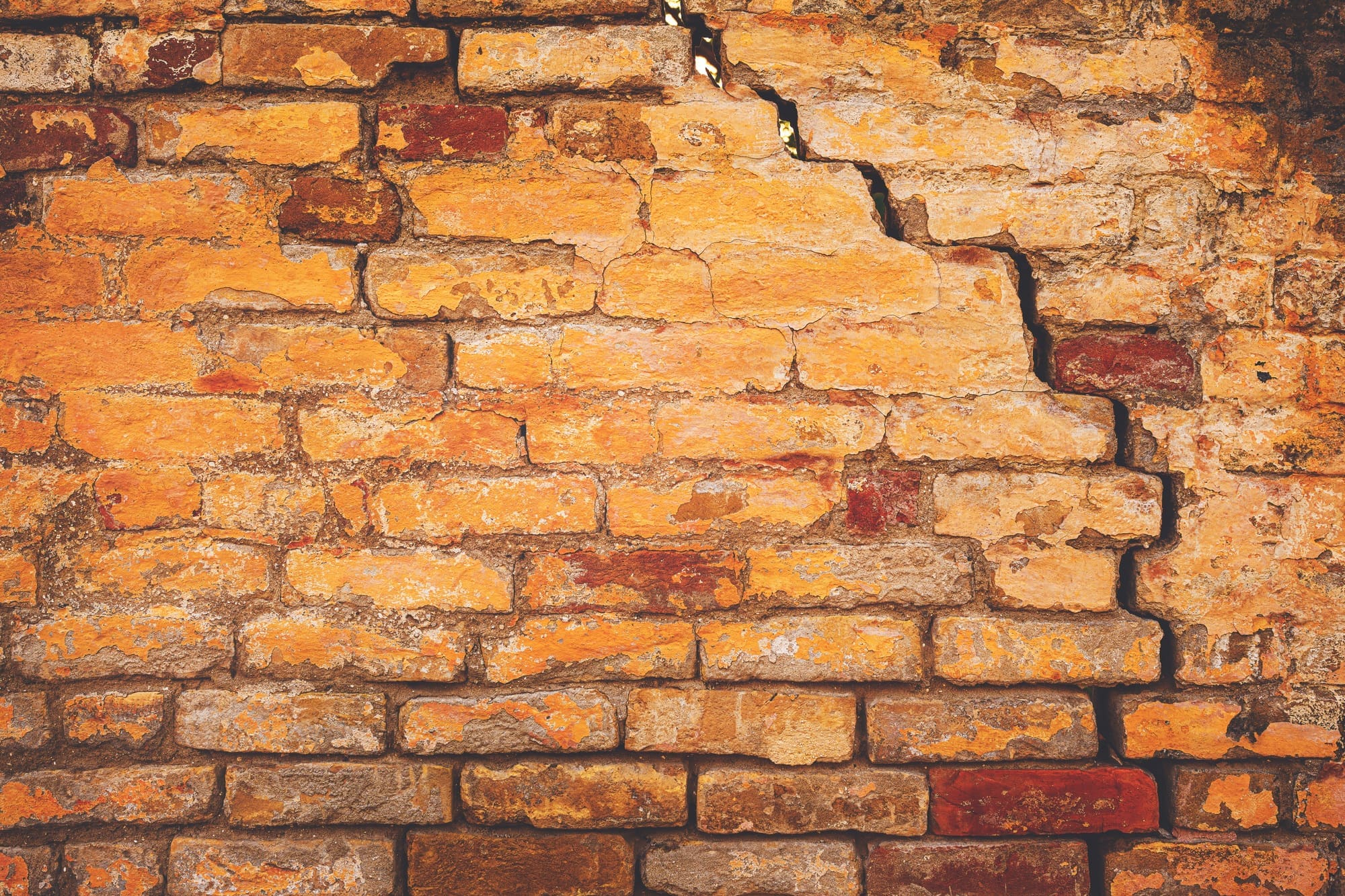
Cracks are one of the most visible indicators of structural problems. Look out for:- Horizontal Cracks: Often a sign of foundation movement.
- Stair-Step Cracks: Common in brickwork, often linked to subsidence.
- Cracks Over Doors or Windows: May indicate lintel failure or uneven settling.
- Uneven or Sagging Floors
Floors that slope or sag could point to issues with the foundation or support beams. This is particularly common in older homes where wooden joists may have weakened. - Sticking Doors and Windows
Doors and windows that are difficult to open or close could signal shifting foundations or warped frames. - Bowing or Leaning Walls
Walls bowing inward or outward are a serious red flag. This could be caused by foundation failure, poor drainage, or weakened support structures. - Damp and Moisture Damage
Persistent damp patches, water stains, or peeling paint can indicate:- Poor drainage leading to water pooling near the foundations.
- Compromised roofing or flashing allowing water ingress.
- Roof Issues
A sagging or uneven roofline often signals compromised structural integrity. Missing tiles or inadequate repairs exacerbate the issue by allowing water to enter the property. - Exposed Timber Rot
Older homes with timber frames are especially susceptible to dry rot, wet rot, or insect infestation, which can severely weaken structural elements.
How to Inspect for Structural Damage
While some issues are apparent, others require a thorough inspection:
- Interior Checks: Examine walls, ceilings, and floors for cracks, dampness, and uneven surfaces. Test doors and windows for alignment issues.
- Exterior Checks: Look for cracks in brickwork, leaning chimneys, and water damage around the foundation.
- Roof Inspection: Assess the roof for sagging, missing tiles, or signs of leaks.
If you’re unsure or cannot assess these issues safely, consulting a professional surveyor is essential.
Risks of Ignoring Structural Damage
Failing to address structural issues can lead to serious consequences:
- Safety Hazards: Compromised structures may pose a risk of collapse.
- Decreased Property Value: Structural problems can deter buyers and significantly reduce your home’s market value.
- Escalating Costs: Minor issues, if left unaddressed, can develop into expensive repairs.
Being proactive about identifying and resolving these problems is crucial.
Solutions for Addressing Structural Damage
Depending on the severity of the issue, solutions may include:
- Foundation Repairs: Techniques such as underpinning can stabilise shifting foundations.
- Roof Reinforcement: Replacing damaged trusses or rafters can restore the roof’s integrity.
- Timber Treatment: Addressing rot or insect infestations with specialist treatments.
- Waterproofing: Improving drainage systems and applying waterproof coatings to prevent further damp-related damage.
Engaging a qualified surveyor or structural engineer is vital for diagnosing the root cause and implementing appropriate repairs.
How LM Surveyors Can Help
At LM Surveyors, we specialise in assessing structural issues in older homes. Our RICS-accredited surveyors have the expertise to identify problems early and provide clear, actionable advice. Whether you’re buying an older property or maintaining your current home, our structural surveys offer peace of mind and help you avoid costly surprises.
Preventative Tips for Homeowners
To minimise the risk of structural damage:
- Conduct Regular Maintenance: Address cracks or damp patches promptly.
- Ensure Proper Drainage: Keep gutters and downspouts clean to direct water away from the foundation.
- Monitor Vegetation: Tree roots near the property can cause soil movement and affect foundations.
- Schedule Regular Surveys: Periodic property inspections can identify potential issues before they become serious.
Conclusion: Why Addressing Structural Issues Matters
Maintaining your home’s structural integrity not only preserves its value but also ensures the safety and comfort of its occupants. While older homes have their unique appeal, they require diligent care to protect their character and functionality.
If you’re concerned about your property’s condition, don’t delay. Contact LM Surveyors to schedule an inspection and secure your investment.


