
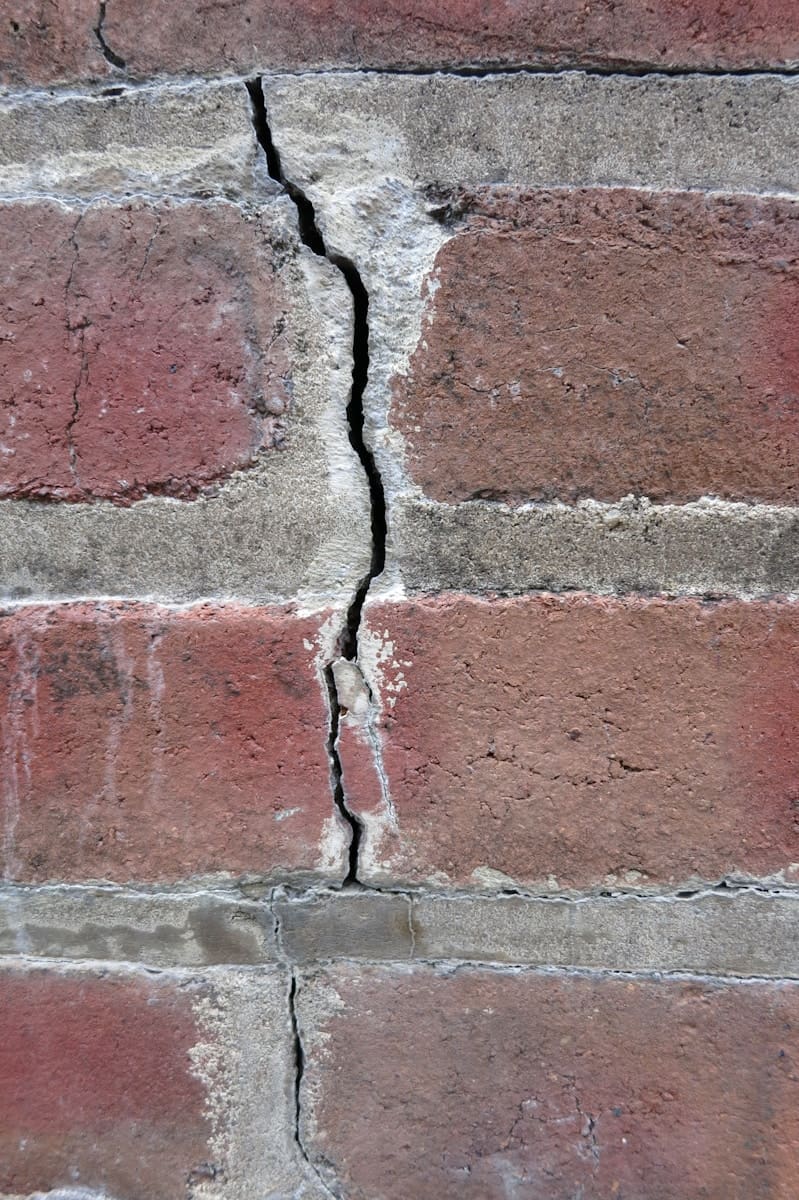
Many buyers ask the same question when viewing an older or altered property: “Is a Level 3 survey worth it?” The answer depends on the age, condition and complexity of the home you are buying. For some properties, a Level 2 survey is enough. For others—especially those with structural risk factors—a Level 3 building survey can prevent costly surprises and give you clear, detailed guidance before you commit. This article explains when a Level 3 is worth the investment, what extra insight it provides, and how it can save you money and stress in the long run.
Quick answer: when a Level 3 survey is worth it
- When the property is older (Victorian or earlier) or fully refurbished.
- If there are visible signs of damp, cracking, sagging or decay.
- If the home has been extended, converted or altered over time.
- If you want in-depth structural and fabric analysis, not just a general overview.
- When you need repair advice, cost implications and clear explanations.
- If you plan renovation work and want to understand hidden risks.
- When buying a rural cottage, stone property or non-standard construction home.
What is a Level 3 building survey?
A Level 3 building survey is the most detailed inspection available under the RICS framework. It provides a comprehensive assessment of a property’s structure, materials, risks and defects. The focus is depth, clarity and explanation. It is designed for buyers who need a full understanding of how the building has been constructed, how it is performing and what may need attention now or in future.
This type of survey is strongly suited to older properties across Lincolnshire and Nottinghamshire, where age, materials and historic alterations introduce additional risk. You can learn more about this format on our RICS Level 3 building survey page.
How Level 3 differs from a Level 2 survey
Level 2 surveys provide a good overview for properties in generally sound condition. They highlight defects, damp, movement and other issues but do not go into the same depth as Level 3. A Level 3 survey includes everything in a Level 2—and far more.
Key differences
- Depth of inspection: Level 3 examines structure, materials, concealed risks and wider performance.
- Level of explanation: It not only identifies defects but explains causes, consequences and what may happen if issues are ignored.
- Advice and guidance: Level 3 reports outline repair options, long-term maintenance needs and cost implications.
- Suitability: Level 3 is ideal for older or complex homes, while Level 2 suits newer, unaltered properties.
If you are unsure which level you need, our RICS Level 2 survey page outlines what a Level 2 provides and when it is appropriate.
Typical situations where a Level 3 is strongly recommended
While many houses in good condition suit a Level 2 survey, certain scenarios almost always call for the additional depth of a Level 3 inspection. These scenarios are common across rural and historic areas of Lincolnshire and Nottinghamshire.
1. Properties built before 1900
Victorian, Georgian and older cottages have construction features—timber floors, solid walls, original beams—that require deeper investigation.
2. Homes that have been extended or altered
Extensions, loft conversions and major refurbishments introduce complexity. A Level 3 survey assesses how well the work was done and whether it affects the wider structure.
3. Properties showing signs of movement
- Cracks around windows or doors.
- Sloping floors.
- Bulging walls or dipping rooflines.
4. Homes with visible damp or decay
- Staining or mould.
- Soft floorboards.
- Timber decay, woodworm or ventilation issues.
5. Rural cottages and farmhouses
Thick masonry walls, older roof structures and damp-prone environments benefit from detailed inspection.
6. Non-standard construction
This includes steel frames, prefabricated systems, large timber frames or homes with unusual materials.
7. When planning renovation or extension work
A Level 3 survey helps identify risks before you start work, saving time and avoiding hidden problems later.
What extra detail you get in a Level 3 report
A Level 3 survey gives you the full picture. It goes far beyond identifying defects—it explains context, severity, likely costs and long-term risks. This detail helps buyers assess whether a property is right for them and negotiate with confidence.
Deeper inspection methods
- Detailed review of roof structures, timbers and ventilation.
- Full assessment of damp, timber decay and moisture movement.
- Close review of cracking, settlement and structural movement.
- Explanations of materials used and their performance.
Clear explanation of defects
Instead of simply stating there is damp, a Level 3 report explains the likely cause, how long the issue may have been present, risks to the structure and recommended next steps.
Commentary on long-term maintenance
A Level 3 survey helps you understand future costs, such as roof repairs, timber treatment or pointing of older brickwork.
Guidance on repairs and costs
While a Level 3 report does not provide itemised quotes, it does help you understand the scale of work and areas where professional specialists may be needed.
Cost of a Level 3 survey vs potential savings
Buyers often worry about the price of a Level 3 survey, but the cost is small compared with the potential savings. Identifying a major defect early can prevent thousands in unexpected repairs later.
Typical cost considerations
- Older or larger homes tend to cost more to survey.
- Complex or altered homes require more time onsite.
- The fee reflects the depth of inspection and reporting.
Potential savings from early identification
- Identifying structural movement before purchase.
- Spotting roof defects that require urgent repair.
- Uncovering damp or timber decay that would otherwise remain hidden.
- Understanding future maintenance costs before committing.
In many cases, buyers recover the cost of the survey several times over—either through renegotiation or by avoiding a purchase that would become a financial burden.
Real-world examples where a Level 3 survey paid off
Example 1: Victorian terrace with hidden timber decay
A buyer planned to purchase a Victorian home in Lincoln. The property looked sound, but the Level 3 survey found early decay in floor joists due to inadequate subfloor ventilation. The repairs would have cost several thousand pounds. The buyer renegotiated successfully.
Example 2: Rural cottage near Newark with historic movement
A rural cottage showed minor cracks. The Level 3 survey revealed long-standing movement that had stabilised, meaning the home was safe. This gave the buyer confidence to proceed without worry.
Example 3: Extended 1930s property in Nottinghamshire
The extension had been built without adequate lintels over a new opening. The Level 3 report identified this, and the buyer requested repairs before completion, avoiding a significant structural cost.
Level 2 vs Level 3 – depth of inspection and reporting
| Feature | Level 2 survey | Level 3 survey |
|---|---|---|
| Inspection depth | Moderate | Highly detailed |
| Roof space review | Basic | Full structural assessment |
| Damp and timber checks | General | Detailed, with causes explained |
| Movement assessment | Standard | Detailed analysis of cracks and load paths |
| Advice on repairs | General guidance | In-depth recommendations |
| Suitable for older homes | Sometimes | Yes |
| Report length | Mid-range | Full, extensive detail |
Is a Level 3 survey worth it? A balanced view
A Level 3 survey is not necessary for every property. However, for older or more complex homes, it provides clarity that a Level 2 cannot match. The aim is not to “over-survey” a home—but to choose the right tool for the job.
When Level 3 may be “too much”
- New-build properties with warranties.
- Modern, mid-1990s onwards homes in good condition.
- Homes with no alterations and low risk of structural issues.
When Level 3 is worth every penny
- Older, historic or character properties.
- Homes showing damp, movement or timber issues.
- Properties with extensions or conversions.
- Rural homes or cottages with thick masonry walls.
- Homes where you plan major renovations.
If you are unsure which level you need, our team can help you weigh the risks. Many local buyers start by asking whether a Level 2 survey is enough and, after discussion, upgrade because the property has features that justify deeper investigation.
Frequently asked questions
Is a Level 3 survey worth the cost?
For older or altered homes, yes. It provides detail that can prevent expensive surprises and allows you to negotiate repairs.
Is a Level 3 survey too detailed for a standard home?
Possibly. If the home is modern and unaltered, a Level 2 survey is often enough.
How long does a Level 3 survey take?
It typically takes several hours onsite, depending on property size and complexity.
Will a Level 3 survey tell me how much repairs will cost?
The report explains scale and urgency, but you may need contractor quotes for exact costs.
Can a Level 3 survey help with negotiation?
Yes. Buyers often use the findings to renegotiate price or request repairs.
Do I get photos in the report?
Yes. A Level 3 survey includes detailed photos showing defects and related issues.
Is the Level 3 survey invasive?
No. It is thorough but non-invasive. The surveyor will not remove finishes or open walls.
Should I choose Level 2 or Level 3?
If the property is older, altered or showing potential issues, Level 3 is the safer and more informative choice.
If you are buying a home in Lincoln, Lincolnshire or Nottinghamshire and want clear, independent guidance, contact Lyman Marshall Chartered Surveyors. We will help you decide whether a Level 3 building survey is right for your property and provide the detailed insight you need before you commit.


